


Silent practice sounds simple until you actually try to build it. Then the nonsense starts. One pair of headphones sounds harsh and fatiguing after twenty minutes. Another sounds fun but smears everything together so badly that your tone decisions get weird. Another clamps your skull like it’s being paid by the vice. And somewhere in the background is the whole reason you started this in the first place: you want to practice in an apartment without becoming the villain in somebody else’s evening. This changes the priorities.
For apartment-safe practice, you don’t need the flashiest headphones. You need the pair that lets you play longer, hear clearly, keep bleed low, and stay connected to your instrument or practice rig without turning the setup into an annoying ritual every single time. The best silent-practice setup isn’t the one with the most hype. It’s the one you’ll actually use on an ordinary Tuesday night when motivation is fragile and neighbors are very much still a thing.
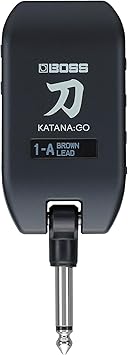
Now, if you’re practicing guitar, bass, keys, electronic drums, modelers, amp sims, or a headphone amp like the Fender Mustang Micro Plus or BOSS KATANA:GO, the principles are similar. Closed-back comfort matters. Isolation matters. Cable sanity matters. And tone honesty matters more than people admit, because if your headphones make everything sound bigger, brighter, or bass-heavier than it is, your playing decisions start drifting.
So let’s build this the sane way.
RELATED: What do Buy to Build a Beginner Bedroom Recording Studio
The Quick Answer
If you want a silent-practice setup that works in an apartment, start with:
- Closed-back wired headphones
- A headphone amp, modeler, interface, or practice amp with headphone output
- A comfortable cable setup or short extension
- A headphone adapter if your gear requires one
- Optional phone/tablet input for backing tracks
- Skip open-back headphones for most apartment practice
That’s the core. If you get those pieces right, you can practice late, keep the room quiet, and still hear enough detail to work on timing, articulation, tone, and dynamics without making your neighbors unwilling participants.
Who This Setup Is For, And Not For
This setup is for the player who wants to practice seriously without broadcasting every scale, riff, and rhythmic relapse through shared walls. Maybe you’re a guitarist in a small apartment. Maybe you’re a bassist who knows low end can travel in ugly ways. Maybe you’re using an interface and amp sims at a desk. Maybe you’ve got an electronic kit and just want better monitoring. All of that fits.
This is a good setup if:
- You live in an apartment, condo, dorm, or shared house
- You practice at night or early in the morning
- You want repeatable, low-friction setup
- You care about comfort over long sessions
- You want tone you can trust more than tone that flatters everything
This is not for someone who’s trying to mix records professionally and wants the widest, most speaker-like presentation possible. That’s where open-back headphones start to make more sense.
It’s also not for someone who wants to use their Apple AirPods or Sony Bluetooth headphones. You cannot use standard wireless headphones for instrument practice. Bluetooth has a built-in audio delay (latency) of about a quarter-second. If you pluck a string, you won’t hear it until a fraction of a second later, which completely destroys your timing. For silent practice, you must use wired headphones. Period.
The Big Beginner Trap
The biggest mistake beginners make is buying headphones that are fun first and practical second.
That sounds harmless, but it isn’t.
A lot of consumer headphones hype the bass, soften the attack, smear the mids, and make everything feel polished in a way that flatters playback but blunts practice. That can make your guitar tone seem fuller than it is, your bass tone feel tighter than it is, and your picking mistakes feel smaller than they are. For actual practice, that’s not helping. That’s makeup.
The second mistake is buying headphones that sound decent but feel miserable after half an hour. Silent practice only works if you’ll keep doing it. A technically “better” pair that turns every session into a head-clamping endurance test is not actually better.
My strongest advice is simple: buy closed-back wired headphones that are honest, comfortable, and easy to power. Don’t over-romanticize studio mythology. Don’t underweight comfort. And don’t buy giant high-impedance headphones unless you already know your rig can drive them properly.
Now, if you’re using something compact like the Mustang Micro Plus or KATANA:GO, easy drivability matters a lot more than people think. If you’re using an interface or desktop practice amp, you’ve got a little more flexibility. But even then, I’d still favor sensible closed-backs over dramatic, overly analytical headphones that make practice feel clinical.
Warning: Why Open-Back Headphones Can Ruin Apartment Practice.
If you’re choosing between open and closed-back headphones, keep this little tidbit in mind: open-backs leak sound and let sound in, which is exactly what most apartment practice setups don’t need. So in this particular apartment dwelling situation, stick to closed-back. It’ll make your practice sessions a lot easier.
What to Buy First, In Order
Let’s do this in the order that actually helps.
1. Start with closed-back headphones
This is the foundation. Closed-back headphones keep your practice private, reduce outside distraction, and generally make more sense for instrument monitoring in apartments.
A few models stand out for different reasons.
The Sony MDR-7506 is still one of the easiest recommendations if you want a classic, practical, no-theater answer. It’s light, foldable, familiar, and sharp enough to keep you honest. I still think it’s a great silent-practice pick if you want something straightforward and dependable.
The Audio-Technica ATH-M40x is one of the strongest value-minded options in this category. It’s tuned in a more studio-minded direction than a lot of consumer headphones, it isolates reasonably well, and it doesn’t usually feel like overkill. For a lot of people, this is the smartest balance of cost, usefulness, and low drama.
The beyerdynamic DT 770 PRO X makes a lot of sense if you want something that many players will find more spacious and a little more refined without stepping into open-back territory. It feels more premium than the bargain-friendly picks, and for longer sessions, that can matter. This is the pair I’d look at if you’re practicing a lot and want something that feels like a long-term step up.
The Sennheiser HD 280 PRO is the more isolation-first, workhorse option. If your apartment is noisy, or you really want a more sealed-in feel, it’s still a serious contender. Less romantic, more utilitarian. Sometimes that’s exactly the right answer.
The AKG K371 is the smoother, more comfort-oriented recommendation if you want a more relaxed fit and a more polished tonal presentation without going full consumer-sweetened fluff. Some people click with it immediately.
My personal ranking for most apartment players goes like this:
- Best all-around value: Audio-Technica ATH-M40x
- Best classic practical pick: Sony MDR-7506
- Best step-up choice: beyerdynamic DT 770 PRO X
- Best isolation-heavy workhorse: Sennheiser HD 280 PRO
- Best comfort-leaning alternative: AKG K371
If you want the shortest honest answer, I’d start with the ATH-M40x or MDR-7506 before getting more elaborate.
-
 View on Amazon$184.10
We earn a commission if you make a purchase, at no additional cost to you.
06/04/2026 01:00 pm GMT -
 View on Amazon$94.98
We earn a commission if you make a purchase, at no additional cost to you.
06/03/2026 07:00 pm GMT -
 View on Amazon$113.00
We earn a commission if you make a purchase, at no additional cost to you.
06/03/2026 08:00 pm GMT -
 View on Amazon$199.99
We earn a commission if you make a purchase, at no additional cost to you.
06/04/2026 02:00 pm GMT
2. Match the headphones to the type of practice rig you use
This matters more than people realize.
If you’re using a headphone amp like the Fender Mustang Micro Plus or BOSS KATANA:GO, I’d keep things simple and efficient. You want headphones that don’t demand a ton of power and don’t weigh you down. In that scenario, the ATH-M40x, MDR-7506, or AKG K371 makes a lot of sense.
If you’re using an audio interface and amp sims, you’ve got more control. This is where the DT 770 PRO X starts looking especially attractive, because desktop practice rigs can justify a nicer pair a little more easily.
If you’re using a desktop practice amp like Yamaha’s THR line, you’re somewhere in the middle. You can still use the practical value options, but if you practice often and want something more immersive, the step-up headphones make sense faster.
3. Prioritize comfort over tiny tonal differences
This is where gear people get themselves in trouble.
Yes, tonal balance matters. But for silent practice, comfort is not a side issue. It’s central. A headphone that sounds 7 percent better but feels 40 percent worse is not the better practice tool.
Look at:
- Clamp force
- Ear cup depth
- Pad material
- Weight
- Cable behavior
That last one gets ignored constantly. A badly behaved cable can make seated practice more irritating than it has any right to be.
4. Don’t confuse silent practice with silent living
Headphones solve a lot, but not everything. If you’re using a guitar with loud acoustic string noise, practicing an electronic drum kit with hard pedal thumps, or tapping a desk-mounted MIDI controller like you’re trying to send Morse code to the downstairs neighbor, some sound still exists in the room.
Silent practice is usually quieter practice, not magical vacuum-sealed practice. That’s still a huge win. Just don’t get lazy about the physical parts of the setup.
The Gear Bundles That Make Sense
Most people don’t need fifteen headphone options. They need a few combinations that actually fit how they practice.
Option 1: The smartest low-cost apartment setup
You buy:
- Audio-Technica ATH-M40x
- Fender Mustang Micro Plus or BOSS KATANA:GO
- Short extension cable if needed
- 1/4-inch adapter if your rig needs it
Why this works: it’s compact, affordable, easy to live with, and actually apartment-safe. It also avoids the common mistake of buying nice headphones and then pairing them with a clumsy, inconvenient practice chain.
This is the setup I’d recommend to the biggest number of guitar and bass players.

|

|
|

|
|
$6.99
|
$5.79
|
$107.00
|
$109.00
|
Option 2: The classic no-nonsense setup
You buy:
- Sony MDR-7506
- Interface or desktop practice amp
- Backing tracks from phone, tablet, or computer
- Basic headphone hanger or storage hook
Why this works: it’s the kind of setup that doesn’t ask for attention. It just works. The Sony pair remains one of the easiest “buy these and move on” recommendations in music gear.
Option 3: The long-session comfort-and-quality setup
You buy:
- beyerdynamic DT 770 PRO X
- Audio interface or quality modeler
- Proper seated practice area
- Optional headphone extension cable
Why this works: this is the more serious path for players who practice a lot, use amp sims or more detailed modeling, and want a headphone that feels like a meaningful upgrade rather than just a functional one.
|
|
|
|
$6.99
|
$199.99
|
Option 4: The isolation-first setup
You buy:
- Sennheiser HD 280 PRO
- Compact headphone amp or interface
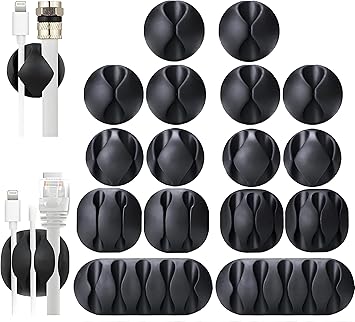
- Cable clip or routing help
- Soft case or hook for storage
Why this works: if outside noise bothers you, or you want a more sealed-in practice environment, this setup makes a lot of sense. It isn’t the most glamorous option, but apartment practice doesn’t always need glamour. Sometimes it needs fewer distractions.

|
|
|

|
|
$15.99
|
$7.96
|
$94.98
|
$24.90
|
Option 5: The smoother all-in-one living-room-friendly setup
You buy:
- AKG K371
- Yamaha THR-II or similar desktop practice solution
- Aux or Bluetooth backing-track setup
- Small stand or dedicated practice corner
Why this works: it keeps the whole experience easy and inviting. This is the setup for the player who wants silent practice to feel a little less like a technical compromise and a little more like an enjoyable routine.

|
|

|
|
|
$14.99
|
$5.29
|
$369.99
|
$184.10
|
The Boring But Mandatory Accessories
These are the little things people forget, then act surprised when their “simple” silent-practice setup becomes irritating.
Keep this checklist in mind:
- 1/4-inch adapter
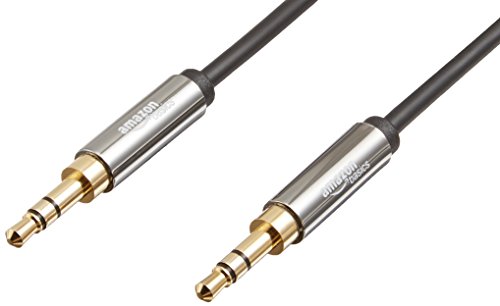
- Short headphone extension cable
- Cable clip or Velcro tie
- Headphone hook or stand
- Replacement earpads, eventually
- Phone or tablet holder for lessons and backing tracks
- A small rug if pedals or stools are making noise
- A sturdy chair that doesn’t squeak every time you shift
- A charging cable kept near the practice rig for rechargeable headphone amps
- A tiny practice table or side surface so you’re not constantly fishing around for cables
None of this is sexy. That’s exactly why people skip it. Then the session starts with ten minutes of fumbling, and practice loses momentum before the first note.
What I’d Personally Buy
If I wanted the safest recommendation for most people, I’d buy the Audio-Technica ATH-M40x first.
Why? Because it gets the fundamentals right. It’s closed-back, reasonably accurate, easy enough to use with compact practice devices, and affordable enough that it doesn’t feel absurd. It’s also not so hyped-up in the wrong ways that every tone sounds bigger and prettier than it actually is.
If I wanted a more classic studio-style answer, I’d still happily buy the Sony MDR-7506.
If I knew I was going to practice a lot, cared more about refinement, and had a decent interface or modeler feeding the setup, I’d strongly consider the beyerdynamic DT 770 PRO X.
If apartment noise from the outside was constantly getting on my nerves, I’d look very hard at the Sennheiser HD 280 PRO.
And if comfort was the thing that kept ruining my practice consistency, I’d absolutely put the AKG K371 on the shortlist.
RELATED: Best Quiet & Compact Guitar Setups for Apartments
Final Thoughts
The best headphones for silent practice aren’t the ones with the most dramatic marketing language. They’re the ones that make practice easier to start, easier to sustain, and easier to trust.
Start with closed-back wired headphones. Match them to your practice rig. Keep the setup physically simple. Respect comfort. Don’t overbuy power-hungry studio headphones for tiny headphone amps. And don’t let yourself get seduced by consumer tuning that makes everything sound exciting but teaches you very little.
In an apartment, the right silent-practice setup isn’t just about keeping the peace. It’s about making practice frictionless enough that you do more of it. That’s the real upgrade. The rest is just gear.

